support@plusoneinspection.com
+61 234 567 8900
+61 234 567 8900
Get a Quote
You've found the property. It ticks most of the boxes. And someone's mentioned you should get a building inspection before you commit.
Good advice.
But if you've never been through the process before, it can feel a little opaque. What does a building inspector actually do? What are they looking for? And will the report actually help you make a better decision?
The short answer: yes—when you understand what's going on, it absolutely will.
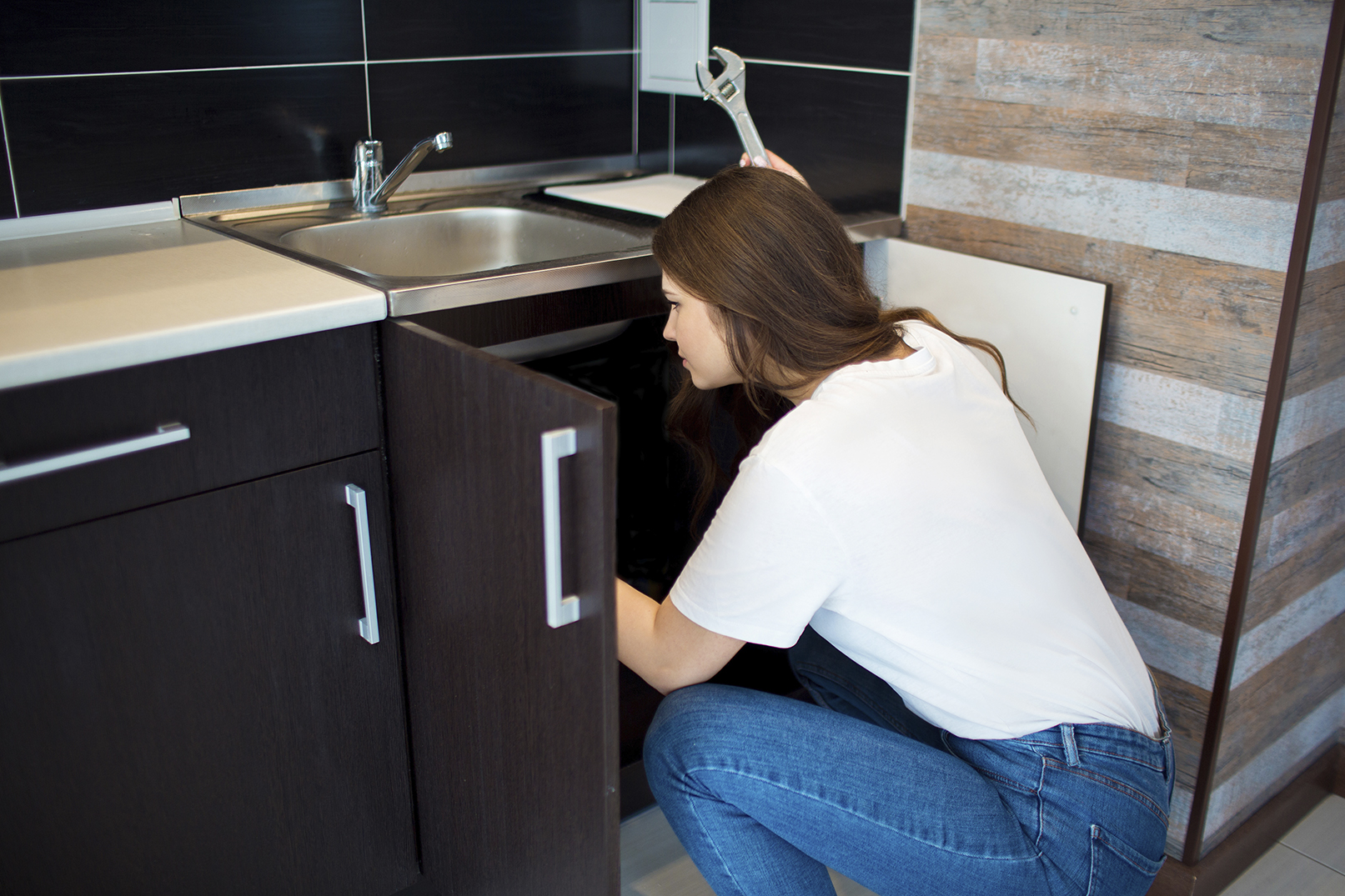
A building inspector is a trained professional who assesses the condition of a property—systematically, not casually.
This isn't someone walking through and having a general look around. A qualified inspector works through a building methodically, checking structural elements, safety concerns, and anything that might cause problems down the track.
Depending on the scope of the inspection, they may also assess whether the building meets current standards. That's where a building code inspector comes in—someone who specifically evaluates compliance against Australian Standards and local regulations.
The result is a detailed report that tells you—clearly—what's in good shape, what needs attention, and what might be a serious concern.
It's easy to skip a building inspection, especially when you're already emotionally invested in a property.
You've done the open homes. You've run the numbers. The last thing you want is something slowing down the process—or worse, uncovering a problem you'd rather not know about.
But that's exactly the wrong way to think about it.
A pre purchase inspection isn't there to ruin your excitement. It's there to protect you from making a costly mistake with incomplete information. What you don't know can hurt you—especially when you're signing a contract on a property worth hundreds of thousands of dollars.
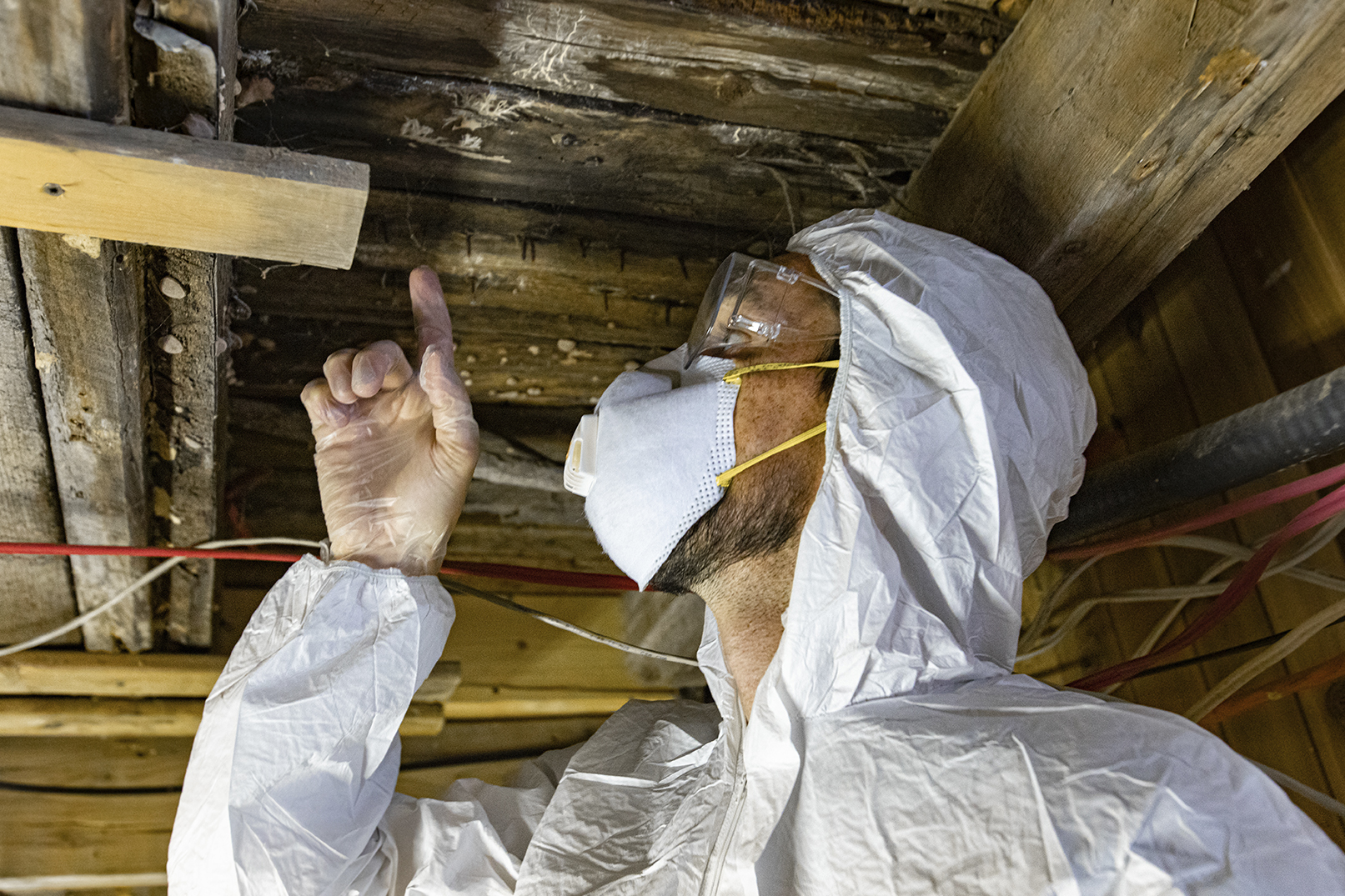
This is where it gets specific.
A building inspector doesn't just glance at the walls and tick a few boxes. They assess a building across several key areas.

This is the foundation—literally. Inspectors look at footings, stumps, subfloor framing, roof structure, and load-bearing walls. Cracking, movement, and deterioration all get flagged here.
Roof covering, gutters, flashings, drainage—all of it. Water is one of the biggest causes of damage in Australian homes, and a good inspector knows exactly where it tends to sneak in.
Walls, ceilings, floors, windows, and doors. Inspectors are looking for signs of moisture, movement, pest damage, and anything that suggests a bigger problem underneath the surface.
This includes things like handrails, balustrades, and trip hazards. A building compliance inspector will also check whether certain elements meet current safety standards—especially relevant in older homes where regulations have changed significantly over the years.
Garages, sheds, retaining walls, and the way the land drains around the building. These are often overlooked by buyers but matter enormously to liveability and long-term maintenance.
Not all building inspections are the same—and it's worth knowing the difference before you book.
A pre purchase inspection is designed specifically for buyers. It gives you a full picture of the property's condition before you commit. Most buyers use this as a negotiating tool or, in some cases, a reason to walk away entirely.
There are also home inspections during construction (stage inspections), handover inspections for new builds, and dilapidation reports for properties near development sites.
A reputable building inspection company will help you understand which type of inspection suits your situation—and won't just default to the cheapest option.
Not all building inspectors are equal.
When you're looking at building inspector services, it's worth asking a few basic questions:
Some inspectors hold master inspector accreditation—a designation that reflects advanced training and a higher standard of professional practice. It's not the only thing to look for, but it's a meaningful indicator of experience and accountability.
A good building inspection company will also be transparent about what their service includes—and what it doesn't. Pest inspections, for example, are typically separate to standard building inspections. Know what you're getting before you book.
This is where many buyers get stuck.
The report arrives. It's detailed. There are findings—some minor, some more significant. And suddenly you're not sure what to do with it.
Here's a useful way to think about it.
Not every finding is a dealbreaker. Minor maintenance issues are normal in almost any property. What matters is whether the report reveals structural problems, safety hazards, or defects that will cost significant money to fix.
Your building inspector should be willing to talk you through the key findings. If a building inspection company doesn't offer that, it's worth asking for it. Understanding the difference between "this needs monitoring" and "this needs urgent attention" is exactly the kind of clarity a good inspector provides.
A building inspection isn't a formality—it's one of the most valuable steps in buying or building a home.
The right building inspector gives you honest, expert information at the moment you need it most. They help you understand what you're actually buying, what it might cost to maintain, and whether there are any concerns serious enough to reconsider.
Done properly, a home inspection doesn't slow down the process. It makes the whole thing clearer.
And that's a position every buyer deserves to be in.
Copyright © 2025 Plus One Inspection - All Rights Reserved.