support@plusoneinspection.com
+61 234 567 8900
+61 234 567 8900
Get a Quote
You've got the plans drawn up. The tradies are booked. The excitement of a fresh renovation is real.
Then someone mentions asbestos inspections—and suddenly everything feels a bit more complicated.
That's completely understandable. But here's the thing: asbestos inspection isn't just a box to tick or a suggestion you can work around. In Australia, it's a legal requirement—and skipping it can lead to serious health risks, project delays, and significant financial penalties.
If you're planning a renovation—residential or commercial—this is what you need to know before breaking a single wall.
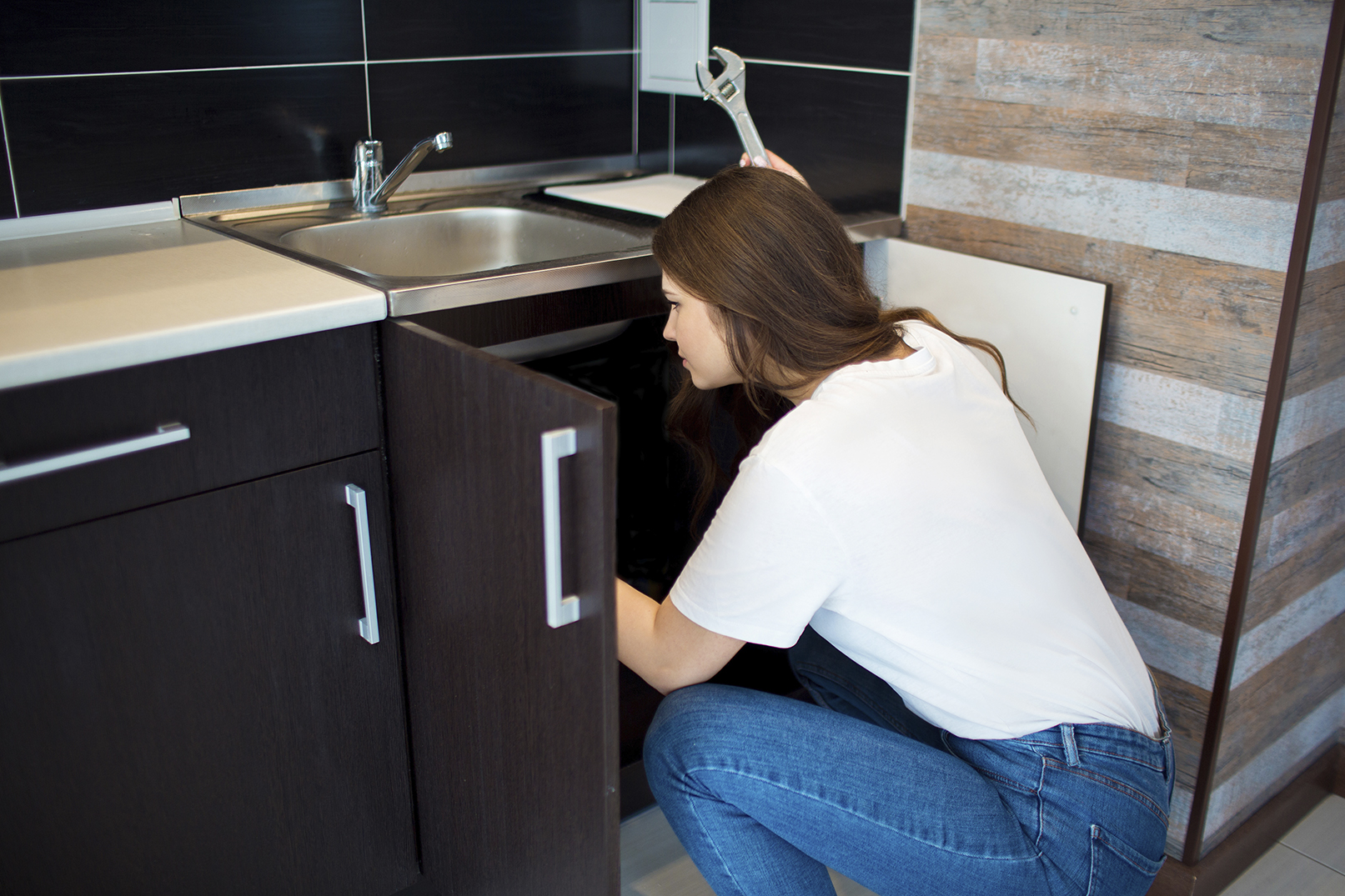
Asbestos was widely used in Australian construction from the 1940s through to the mid-1980s. It was cheap, fire-resistant, and incredibly durable—which is exactly why it ended up in so many building materials.
Roof sheeting. Floor tiles. Wall cladding. Insulation. Textured ceiling paint.
Australia didn't ban the use and importation of all asbestos products until 31 December 2003. That means if your home was built before 1990, there's a very strong chance asbestos-containing materials (ACMs) are present somewhere. Even homes built in the early 2000s warrant a thorough asbestos survey before renovation work begins.
The danger isn't usually the presence of asbestos itself—it's what happens when it's disturbed. Cutting, drilling, or demolishing materials that contain asbestos releases microscopic fibres into the air. Those fibres, once inhaled, can cause mesothelioma, asbestosis, and lung cancer. There is no safe level of asbestos exposure.
This is where many homeowners—and even some builders—get caught out.
Under Work Health and Safety (WHS) legislation across Australian states and territories, any person conducting a business or undertaking (PCBU) that involves demolition or refurbishment of a structure must ensure an asbestos inspection is carried out by a competent person before work commences. This requirement sits under the model WHS Regulations, specifically Regulation 422, and applies broadly to construction and renovation projects.
Safe Work Australia's Asbestos Safety Guidelines make clear that building inspections must identify the presence, location, and condition of any hazardous material before any disturbance takes place. A qualified asbestos inspector must conduct this assessment and produce a written report.
For homeowners managing their own renovation work, Safe Work Australia states that the person in control of the premises has a duty of care to others on-site—including tradies, family members, and neighbours. Failing to commission an asbestos inspection before work starts puts all of those people at risk.
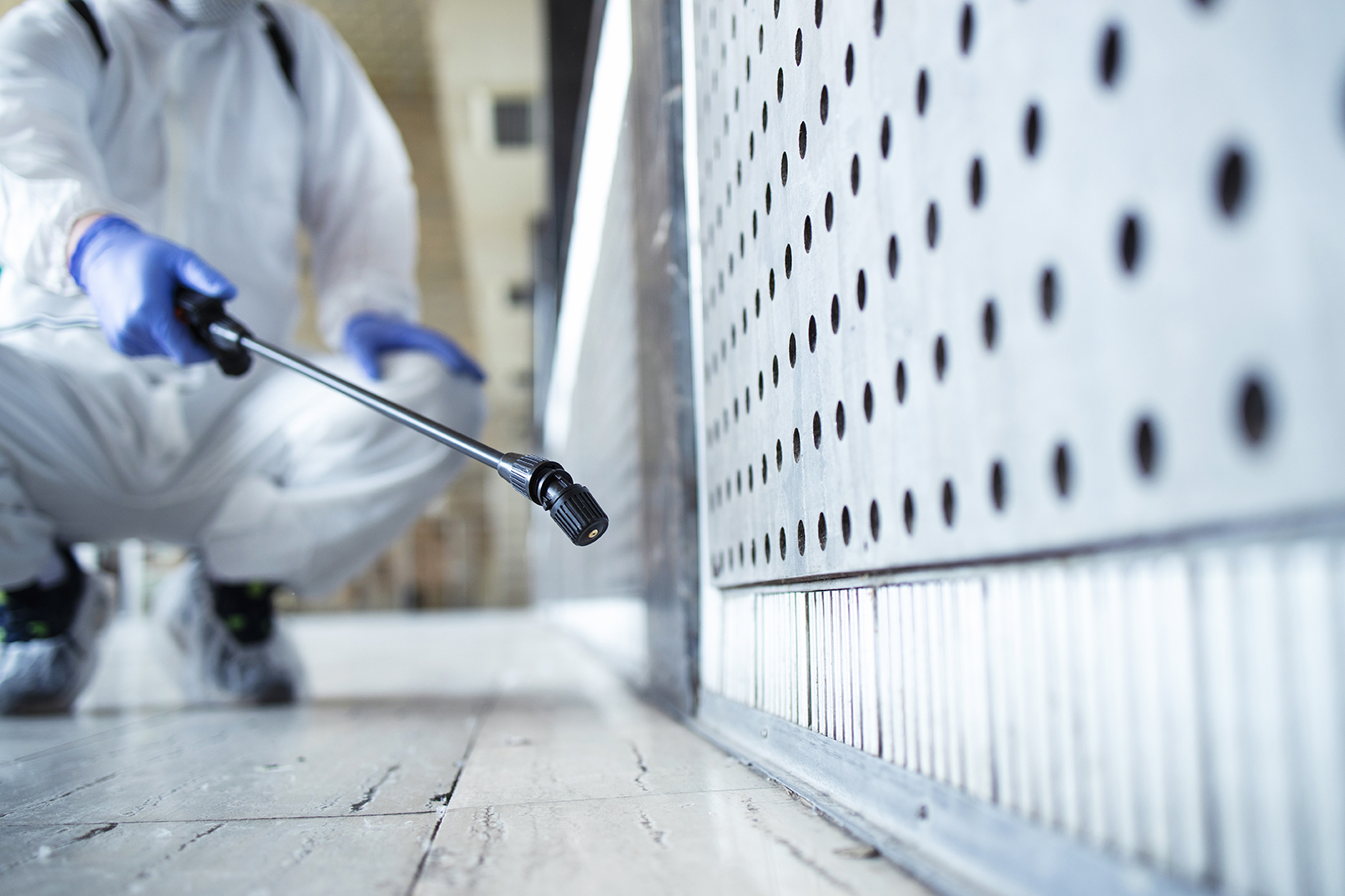
The obligations apply whether you're renovating a family home or a commercial property—but the specifics vary.
Residential asbestos inspection typically applies to homes, duplexes, and small multi-dwelling properties. For most homeowners, this means engaging a licensed asbestos inspector or accredited asbestos inspection company before demolishing walls, replacing roofing, or undertaking any work that could disturb building materials.
Commercial asbestos inspection carries additional requirements. Owners and managers of commercial premises in Australia are legally required to maintain an asbestos register—a document that records the location and condition of all known or suspected ACMs on site. An asbestos management plan must also be in place. These obligations fall under the WHS Regulations and are enforced by state and territory regulators.
Whether your project is residential or commercial, engaging professional asbestos inspection services before work begins isn't optional—it's the law.
Knowing what to expect makes the process a lot less daunting.
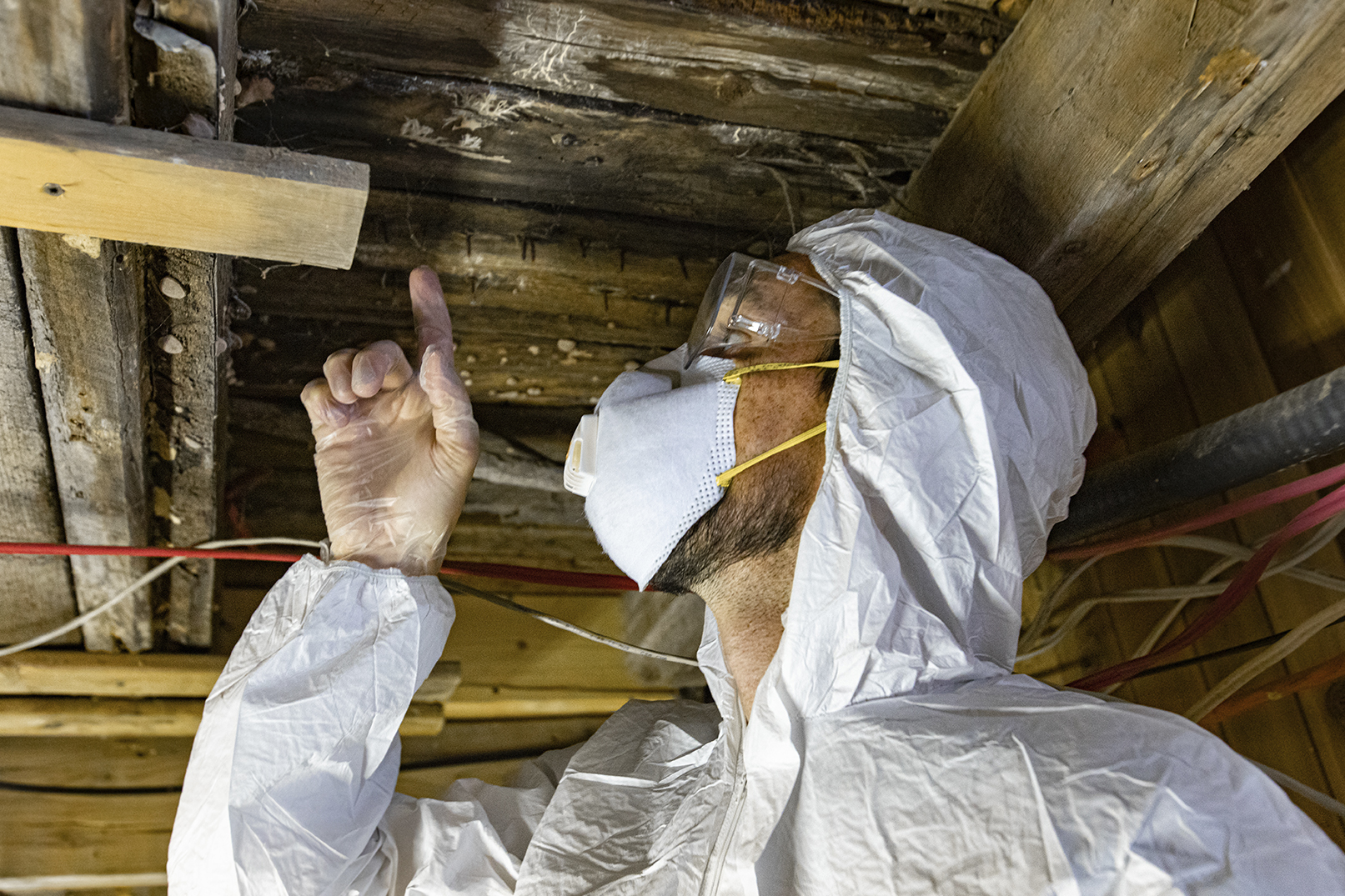
A licensed asbestos inspector will carry out a thorough visual assessment of your property and take samples of suspected ACMs. Those samples are sent to an accredited laboratory for analysis—a process known as asbestos detection. Once the results come back, you'll receive a detailed asbestos survey report outlining:
Friable asbestos is considered the most dangerous because it can release fibres with minimal disturbance. Non-friable materials are generally more stable—but once they're cut, drilled, or broken, they become equally hazardous. Both types must be identified before any building inspection proceeds to the work phase.
Let's be direct about this.
A reputable asbestos inspection company will hold the relevant licences and accreditations required in your state or territory. In most jurisdictions, asbestos assessors must be licensed under WHS legislation and operate independently from removal contractors—eliminating any conflict of interest.
When choosing an asbestos inspector, ask the following:
A professional asbestos inspector won't rush the process. They'll take the time to assess every area of the property and deliver a clear, actionable report that protects you, your family, and your tradies.
Finding asbestos doesn't mean your renovation is over—it means it needs to be managed properly.
Not all ACMs need to be removed. In many cases, non-friable asbestos that is in good condition and won't be disturbed can be safely left in place under an asbestos management plan. Your asbestos inspection report will guide that decision.
Where removal is necessary, only a licensed asbestos removalist can legally carry out the work. For friable asbestos or quantities greater than 10 square metres of non-friable material, a Class A licence is required. Smaller amounts of non-friable asbestos may be handled by a Class B licensee.
Once the hazardous material has been safely removed and the area has been cleared by a licensed assessor, your renovation can proceed—and often without any further significant delays.
Renovation planning involves a lot of moving parts—budgets, timelines, design decisions. It's easy to focus on the exciting stuff and treat compliance as something to deal with later.
But asbestos inspection isn't something you want to rush at the last minute—or worse, skip entirely. Getting it done early means your builder has the information they need, your tradies are protected, and you're not scrambling mid-project to manage a hazardous material issue that could have been identified weeks earlier.
The process is straightforward when you plan for it. Commission an asbestos inspection before work begins. Review the asbestos survey report carefully. Follow the recommendations. And if removal is required, engage a licensed professional to handle it.
Do it right, and your renovation stays on track. Skip it, and the legal, financial, and health consequences can be far more disruptive than any minor scheduling adjustment.
Your home is worth doing properly. So is keeping everyone safe while you get it there.
Copyright © 2025 Plus One Inspection - All Rights Reserved.